
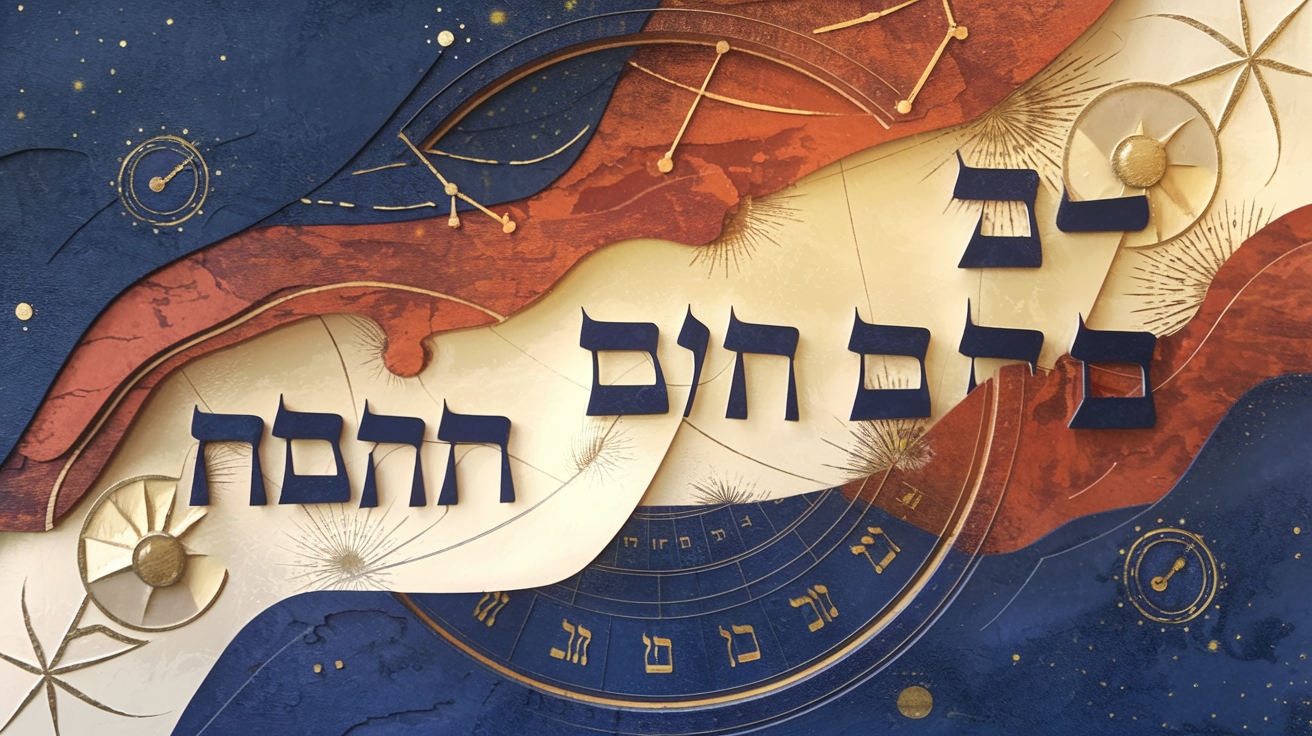
How to Pray and Journal Through the Biblical Feasts
The moedim are not just calendar markers — they are appointed times when God speaks. Here is how to position yourself to hear Him during each one.
What the Biblical Feast Days Actually Are
The Hebrew word moed (plural: moedim) means appointed time, divine appointment, or rehearsal. In Leviticus 23:2, God instructs Moses to "speak to the people of Israel and say to them, these are the appointed feasts of the Lord." The word translated "feasts" is moedim — and from the beginning, God frames these as His appointments, not Israel's.
There is an important distinction to make: the feasts are not just liturgical observances. They are prophetic encounters built into the structure of time itself. God designed them as recurring portals of revelation — seasons where the veil thins and He speaks with unusual clarity.
The spring feasts have already been fulfilled in Christ's first coming. Passover points to His sacrifice. Firstfruits points to His resurrection. Pentecost points to the outpouring of the Spirit (Acts 2). The fall feasts — Trumpets, Atonement, Tabernacles — remain prophetically charged with what is still to come. This is precisely why journaling during them carries so much weight.
Here are the seven feasts, their Hebrew names, and their general calendar placement:
- Passover (Pesach) — Late March to April
- Unleavened Bread (Chag HaMatzot) — Immediately follows Passover, seven days
- Firstfruits (Yom HaBikkurim) — During Unleavened Bread
- Pentecost (Shavuot) — 50 days after Firstfruits (May to June)
- Trumpets (Yom Teruah / Rosh Hashanah) — Early to mid-September
- Atonement (Yom Kippur) — Ten days after Trumpets
- Tabernacles (Sukkot) — Five days after Atonement, seven days plus Shemini Atzeret
A clarification on approach: this is not about Torah observance as law. It is about using God's own calendar as a prophetic prayer framework — something available to every Spirit-filled believer. For the broader context of how the Hebrew months work, see our Hebrew months prophetic guide.
Why the Feasts Are a Prophetic Prayer Framework
Notice the possessive in Leviticus 23:2 — God calls them My appointed times. He initiated these seasons, which means He shows up in them. That is the theological foundation of this entire practice.
The feasts operate like a prophetic rhythm woven into the year. Each one carries a specific theme — redemption, holiness, harvest, repentance, presence — and that theme shapes what God is likely speaking in that season. When you understand the theme, you have a lens for interpreting what you are hearing.
Acts 2 is the clearest New Testament proof of this. The Holy Spirit did not arrive on a random Tuesday. He arrived on Pentecost (Shavuot) — exactly fifty days after the resurrection, on the very feast that celebrated God giving His word to His people. God moves on schedule.
When you journal during the feasts with awareness of their meaning, you give yourself a thematic interpretive grid. Dreams, impressions, and Scripture passages that surface during Passover will often carry redemption language. Entries from Trumpets season will surface themes of awakening, transition, and intercession. You are not forcing an interpretation — you are recognizing a pattern God already built in.
Most believers journal reactively — recording something after it hits them. The feasts give you a proactive, God-ordained framework so you are positioned before He speaks, not scrambling to capture it afterward. For the foundational practice of capturing what you hear, see our post on how to journal a prophetic word.
How to Prepare Before Each Feast Begins
Good feast journaling begins before the feast opens. Here is a simple preparation framework:
- Know when it starts. The feasts follow the Hebrew calendar, which shifts on the Gregorian calendar each year. Knowing the dates two to three weeks ahead allows you to posture yourself before the window opens — not scramble to catch up once it has.
- Study the meaning before you pray into it. You cannot journal with prophetic intention around Yom Kippur if you do not understand atonement, the High Priest's role in Leviticus 16, and the scapegoat typology. Even thirty minutes of preparation changes the quality of what you hear.
- Set a dedicated journaling intention. At the top of your first entry before the feast begins, write this question: Lord, what are You saying to me through this appointed time this year? Let that question sit. Return to it over the feast window.
- Review your prior entries from the same feast. If you have journaled previous years, pull those entries before the feast opens. Patterns across years reveal the ongoing prophetic themes God is working in your life.
- Prepare your tools. A designated entry category for feast-related entries keeps them searchable and reviewable across seasons. In God365, the Prophetic Words and Other Ways of Hearing categories work well for feast entries, or you can use the Journal category with clear feast-specific titles for easy retrieval.
Journaling Through the Spring Feasts
Passover (Pesach, late March to April) carries the theme of redemption, deliverance, and the blood of Jesus. First Corinthians 5:7 calls Christ "our Passover lamb." The journaling prompt for this season: What areas of bondage or Egypt-thinking is God calling me out of this year? Expect Him to surface things He wants to redeem — relationships, mindsets, patterns. Read Exodus 12 alongside 1 Corinthians 5:7 as entry-point Scriptures.
Unleavened Bread (Chag HaMatzot) immediately follows Passover for seven days. The theme is purging leaven — hidden compromise, unaddressed sin — and walking in integrity. The journaling prompt: What leaven is God identifying in me right now? These entries are not about condemnation. They are consecration entries. Write honestly.
Firstfruits (Yom HaBikkurim) falls during the Unleavened Bread week and carries the theme of resurrection and the first of the harvest. Paul makes this explicit in 1 Corinthians 15:20 — "Christ has been raised from the dead, the firstfruits of those who have fallen asleep." Jesus rose on this feast. The journaling prompt: What is God raising from the dead in my life or calling? This is one of the most powerful seasons to journal promises that seemed buried.
Pentecost (Shavuot), fifty days after Firstfruits, carries the theme of the giving of the Spirit, the giving of the Law at Sinai, and harvest. The journaling prompt: What fresh anointing or assignment is God releasing this season? Expect specific and directive revelation here — gifts, calling, Spirit-led direction. This is not a season for vague impressions. It is a season for clear, actionable words.
The spring feasts run as a concentrated seven-to-eight week window from Passover through Pentecost. Consider treating this entire period as one sustained prayer and journaling season — a single prophetic arc from redemption through empowerment.
Journaling Through the Fall Feasts
The fall feasts are clustered in a twenty-one day window in the Hebrew month of Tishri, typically September to October. This is the most prophetically intense period of the Hebrew year, and the one that most points toward future fulfillment. See our guide on how Tishri connects to the broader fall season themes for deeper context.
Trumpets (Yom Teruah / Rosh Hashanah) opens the fall cluster with the sound of the shofar — a call to attention, awakening, and transition. It is also the Jewish New Year, making it a natural time to review the prior year's prophetic journal entries. The journaling prompt: What is God calling my attention to? What new season is beginning? What needs to be awakened in me?
The Days of Awe are the ten days between Trumpets and Atonement. Think of this as a selah period — a pause for searching and honesty. Journal slowly. Ask God to surface anything that needs to be addressed before Atonement. This is not a frantic season. It is a searching one. These may be the quietest, most personal entries you write all year.
Atonement (Yom Kippur) is the holiest day on the Hebrew calendar — a day of fasting, intercession, and standing before God. Leviticus 16 and Hebrews 9–10 are the scriptural anchors here. The journaling prompt: What is God saying about my standing before Him? What intercession is He calling me into for others, my family, my nation? Corporate intercession entries are especially significant during this window.
Tabernacles (Sukkot) closes the feast calendar with seven days of celebration plus Shemini Atzeret on the eighth day. The theme is God dwelling with His people, harvest completion, and joy. Zechariah 14:16 connects this feast to the nations coming before God — it carries a global scope. The journaling prompt: Where is God making His home in my life? What harvest has He brought in this year? Journal gratitude, fulfilled promises, and what God is building. These are the entries you will return to for encouragement.
Prophetic Patterns to Watch For While Journaling
As you build a feast journaling practice over time, certain patterns become significant:
- Recurring themes across multiple feast entries over several years indicate God is working a sustained word in your life. Do not treat these as repetition — treat them as confirmation of an ongoing assignment or process.
- Dreams during feast seasons carry heightened significance. If you dream during Passover week, journal it with the feast context noted. The thematic overlay of the feast often provides the interpretive key. See our guide on journaling recurring dreams biblically for how to track these over time.
- Scripture that surfaces unexpectedly during feast seasons — in your reading, from a sermon, in conversation — should be captured as a potential prophetic thread. Note it in context of the feast you are in, not just as a standalone verse.
- What you hear in corporate settings during feast seasons matters. If a message lands with unusual weight during the Pentecost window, that is worth journaling as a potential directional word for the season. Feast seasons amplify corporate revelation as well as personal. For a full framework on managing these over time, see our post on how to track prophetic words across time.
How to Review Your Feast Journals Over Time
The feasts are annual. That means you are building a multi-year prophetic record around each one. After three years of journaling Passover, you begin to see what God consistently speaks to you in that season — and that consistency is itself a prophetic word.
Before each feast opens, pull the prior year's entries for that same feast. Read them briefly and note three things: what was fulfilled, what is still developing, and what you do not yet understand. That review itself becomes the opening entry of the new feast season.
Look for feast-to-feast connections within a single year. What God initiates at Passover is sometimes answered by Pentecost. What He surfaces at Trumpets is often completed by Tabernacles. The feasts tell a story within the year, and your journal becomes the record of that story.
Organize your entries by feast name and year so they are retrievable when you need them. A tagging or category system matters here — you should be able to surface everything from a specific feast window in seconds, not scroll through months of entries. See our full post on how to track answered prayers for a broader review framework that pairs well with feast journaling.
Using God365 to Journal Through the Feasts
God365 was built with the Hebrew calendar in mind. The app integrates the moedim so you always know where you are in the prophetic year — without cross-referencing external sources or manually converting dates. To see how God365 handles the Hebrew calendar, visit the features page.
The app's ten entry categories let you log feast-specific entries separately from daily devotional entries, prophetic words, and answered prayers. Your feast journal stays clean, contextual, and reviewable across seasons. The Prophetic Words, Other Ways of Hearing, and Journal categories are particularly useful for feast entries — all available on the free plan.
Hebrew calendar integration means feast windows are flagged automatically in the app. You receive prompts at the start of each feast so you are never caught off guard by an appointed time. Entries are dated against the Hebrew calendar alongside the Gregorian, so when you review last Sukkot's entries next year, you are reviewing them in feast context — not just "October entries."
For a complete walkthrough of how to use every feature, see the full walkthrough of the God365 app.
Start Before the Next Feast Opens
You do not need to master the theology of the feasts before you begin. Start with the next one on the calendar and ask God one question: What are You saying to me in this appointed time?
Write down what surfaces over the following days. That is a feast journal entry. You started.
The goal is not perfect understanding of the moedim. The goal is cultivating the habit of showing up at the times God Himself set — and listening. Leviticus 23:4 calls these "the appointed feasts of the Lord, the holy convocations, which you shall proclaim at the time appointed." Proclamation implies voice — His and yours.
Show up. Listen. Write it down.
If you want to develop the broader discipline of hearing and recording what God speaks, our post on building a two-way listening practice is a natural next step.
God365 is a free iOS app built for prophetic spiritual journaling — with Hebrew calendar integration, ten entry categories, voice notes, and AI-powered insights. If the next feast is weeks away, that is enough time to start. Download God365 and open your first feast entry before the window opens. Android coming soon.